
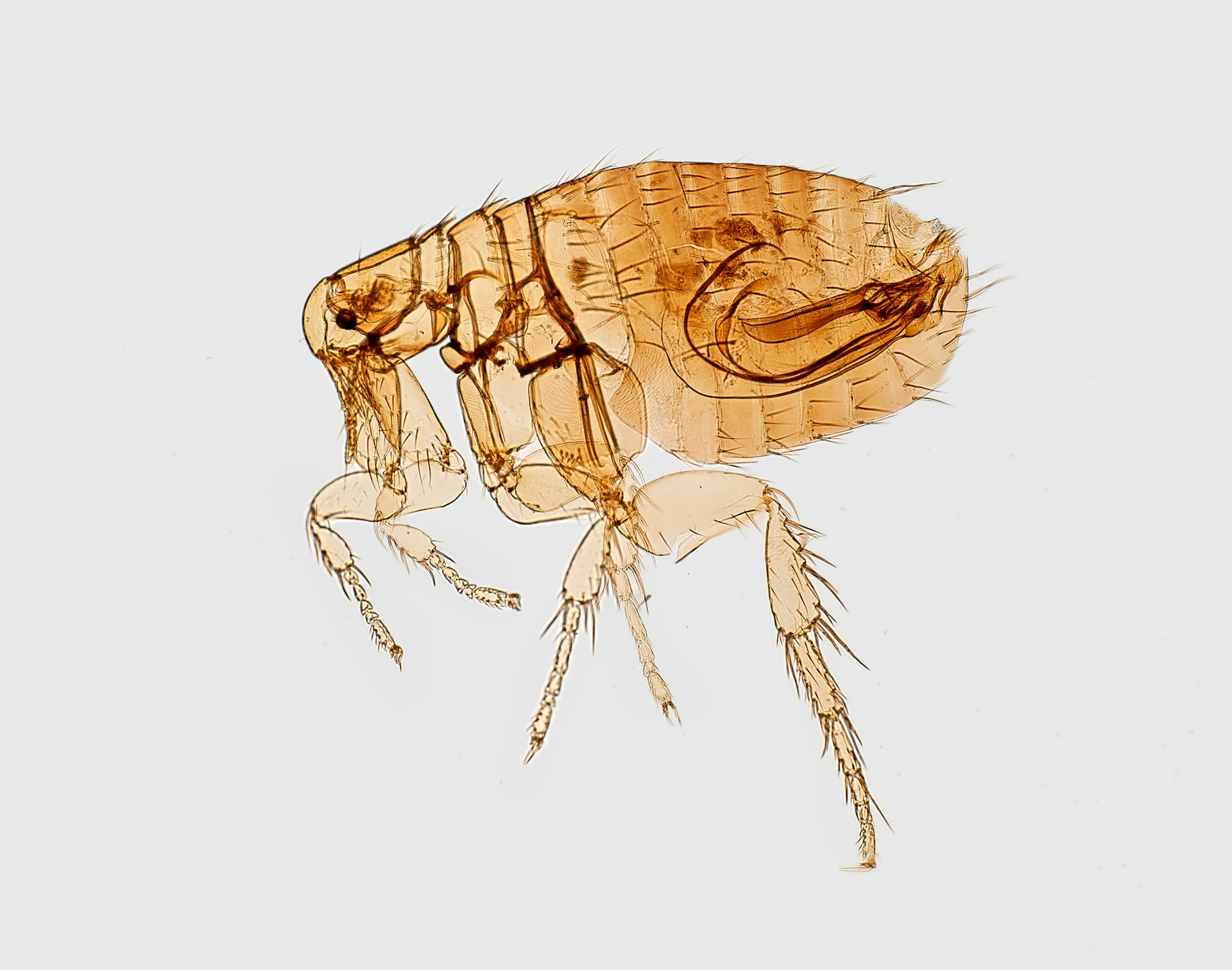
A pet scratching more than usual may be the first sign of fleas, but the problem does not necessarily stay on the animal. Fleas can quickly spread into carpets, pet bedding, upholstered furniture, cracks near flooring, and other protected areas throughout a home. This is what makes an indoor flea infestation so frustrating. The adult fleas seen on a dog or cat may represent only one part of a much larger population developing nearby. Eggs can fall from a pet as it walks, sleeps, jumps onto furniture, or rests on a rug. From there, immature fleas continue developing in the environment, sometimes remaining unnoticed until new adults emerge. Effective flea control requires understanding this cycle and identifying all the places where fleas may be developing, not simply responding to the ones currently seen on a pet. Fleas Can Enter A Home On Pets And Other Animals Dogs and cats are common hosts for fleas because their warm bodies, movement, and access to outdoor spaces can expose them to infested areas. A pet may encounter fleas while walking through grass, resting in a yard, visiting another property, or coming near wildlife activity. Once a flea reaches an animal, it can begin feeding and eventually contribute to a much broader indoor problem. Several factors allow this process to happen: Even pets that spend most of their time indoors may be exposed under certain circumstances. Once fleas enter the home, the infestation can continue in carpets and furniture even when fewer adult fleas are immediately visible on the animal. Flea Eggs Easily Fall Into Carpets And Upholstery Adult female fleas can lay eggs while living on a host, but those eggs often fall off the animal and land wherever the pet spends time. This is how a flea problem that begins on one pet can gradually spread throughout several rooms. Common locations where flea eggs and developing stages may accumulate include: The trouble is that homeowners usually notice adult fleas first. Eggs and larvae are much easier to miss. As a result, treating only the pet may reduce some immediate activity while leaving a developing flea population throughout the home. The Flea Life Cycle Makes Infestations Hard To Eliminate Fleas pass through four life stages: egg, larva, pupa, and adult. Each stage behaves differently, which is one reason an infestation may persist even after the number of visible fleas appears to decline. After eggs fall from a host, larvae can develop in protected indoor environments. They tend to avoid bright, exposed areas and may remain deep within carpet fibers, underneath furniture, or around other sheltered spaces. The pupal stage creates an additional challenge. A developing flea can remain protected inside a cocoon until environmental signals suggest that a host is nearby. Movement, warmth, and carbon dioxide can contribute to adult emergence. This helps explain why people sometimes experience a sudden burst of flea activity after entering a room that has been quiet for some time. Newly emerged adults begin searching for a suitable host, creating the impression that an infestation appeared overnight. Professional flea control accounts for this life cycle. A single treatment directed only at visible adults may not affect every developmental stage at the same time, making proper inspection, treatment placement, and follow-up considerations especially important. Why Fleas Often Gather Around Pet Resting Areas Flea activity is rarely distributed evenly throughout a home. Areas where pets spend the most time frequently experience greater pressure because eggs repeatedly fall into the surroundings. Several locations deserve particular attention: Understanding these patterns is important because treating random areas may miss the places supporting the greatest amount of flea development. An effective approach considers where pets spend time, how they move through the property, and whether outdoor conditions may be contributing to repeated infestations. Lasting Flea Control Must Address More Than The Pet Treating a pet is an important part of responding to fleas, but it may not resolve an infestation that has already spread into the surrounding environment. By the time adult fleas are regularly noticed, eggs, larvae, or pupae may already be present in carpets, bedding, furniture, and protected flooring areas. A thorough flea control strategy looks at the entire property. This includes pet resting locations, rugs, upholstered furniture, cracks, bedding, outdoor activity, and the severity of the infestation. Treatment should be concentrated where flea activity and development are actually occurring rather than applied without considering the pet’s habits and the home’s layout. Persistent infestations can be especially difficult because different life stages may emerge at different times. This can make the problem seem to disappear briefly before bites and visible fleas return. When flea activity continues despite addressing the pet, it may indicate that the indoor environment is still supporting the infestation. A detailed professional inspection can help identify overlooked areas and guide treatment toward the locations most likely to be contributing to the cycle. Break The Flea Cycle Before It Spreads Further When fleas move beyond a pet and into carpets, furniture, or bedding, getting to the source becomes essential. Contact Termicide for professional flea control focused on the areas where infestations develop and persist.

Can DIY Pest Control Solve A Serious Pest Infestation?
Seeing a few ants near the kitchen sink or a spider in the basement may seem like a simple problem. Serious infestations, however, are rarely limited to the pests that are immediately visible. Activity may extend behind walls, beneath floors, inside furniture, around plumbing, in attics, or through hidden entry points. DIY pest control products are widely available, and they may appear to offer a convenient answer. The difficulty is that reducing visible activity is not always the same as solving the underlying infestation. When pests have established nests, breeding sites, shelter, or repeated access to a property, effective control requires understanding where the problem started and what continues to support it. Why DIY Pest Control Often Addresses Only What You Can See Many household pest products are designed to kill or repel pests that come into contact with them. This may produce a quick reduction in activity, but serious infestations usually involve more than the insects or rodents appearing in open areas. Several hidden factors can keep a problem going: DIY pest control may reduce the number of pests seen temporarily without reaching the source. Once the immediate effect of the product fades, activity can return because the conditions supporting the infestation never changed. Serious Infestations Require Correct Pest Identification Different pests require different treatment strategies. Even pests that appear similar may have very different nesting habits, food preferences, breeding cycles, and hiding places. Treating the wrong pest or misunderstanding its behavior can waste time while the infestation becomes more established. For example, carpenter ants may be linked to damp or damaged wood, while termites require an entirely different inspection and treatment approach. Flying insects near an exterior wall could involve bees or another stinging insect, and the nest location may determine how the situation should be handled. Rodent noises in a wall also require investigation to identify entry routes, rather than focusing only on the area where scratching happens to be heard. A thorough inspection helps determine the pest involved, the extent of activity, and the conditions making the property attractive. Without that information, treatments can become little more than guesswork. This is particularly important with bed bugs, termites, cockroaches, rodents, and other persistent pests. The visible signs may represent only a small part of a larger problem that extends into nearby rooms or structural areas. Common Reasons Pest Problems Keep Coming Back Recurring infestations are often a sign that something important has been overlooked. Applying another spray or replacing another trap may not provide lasting improvement when the property still offers food, water, shelter, or easy access. Common contributing conditions include: A serious infestation may involve several of these conditions at once. For that reason, lasting control usually depends on understanding the entire property rather than repeatedly treating the same visible area. Misusing Pest Products Can Make Control More Difficult Using more product does not automatically create better results. Pesticides, baits, traps, and repellents need to be selected and placed according to the pest, location, infestation level, and label directions. In some cases, an unsuitable treatment can scatter pests into new hiding places or reduce visible activity without affecting the larger population. Improperly placed products may also fail to reach areas where pests actually travel, breed, or rest. Other challenges include: This is why serious pest activity should be approached carefully. The objective is not simply to kill individual pests. It is to interrupt the conditions and behaviors allowing the infestation to continue. When Professional Pest Control Becomes the More Reliable Approach A minor, isolated pest sighting is different from repeated activity, structural damage, unexplained bites, droppings, scratching noises, recurring nests, or pests appearing in several parts of a property. Those signs can indicate that the problem has moved beyond what surface-level DIY pest control can realistically address. Professional pest control begins with identifying what is happening before selecting a treatment. A trained technician can inspect food sources, moisture, wood, clutter, openings, hiding places, nesting areas, and likely travel routes. The pest species, property layout, safety needs, and severity of activity can then guide the next step. This targeted approach is particularly valuable when dealing with termites, bed bugs, cockroaches, rodents, carpenter ants, fleas, ticks, or other pests that can remain hidden or reproduce quickly. Instead of relying on repeated trial and error, professional help can focus on the source of the infestation and the conditions that make recurrence more likely. The earlier a serious problem is properly assessed, the easier it may be to prevent pests from spreading into additional rooms, damaging materials, or becoming firmly established. Stop Guessing and Get to the Source When pests continue returning despite repeated attempts to control them, a closer inspection may be necessary. Contact Termicide for professional help identifying the source of the infestation and determining the right treatment for your property.
Why Mosquito Problems Get Worse During Hot Summer Weather
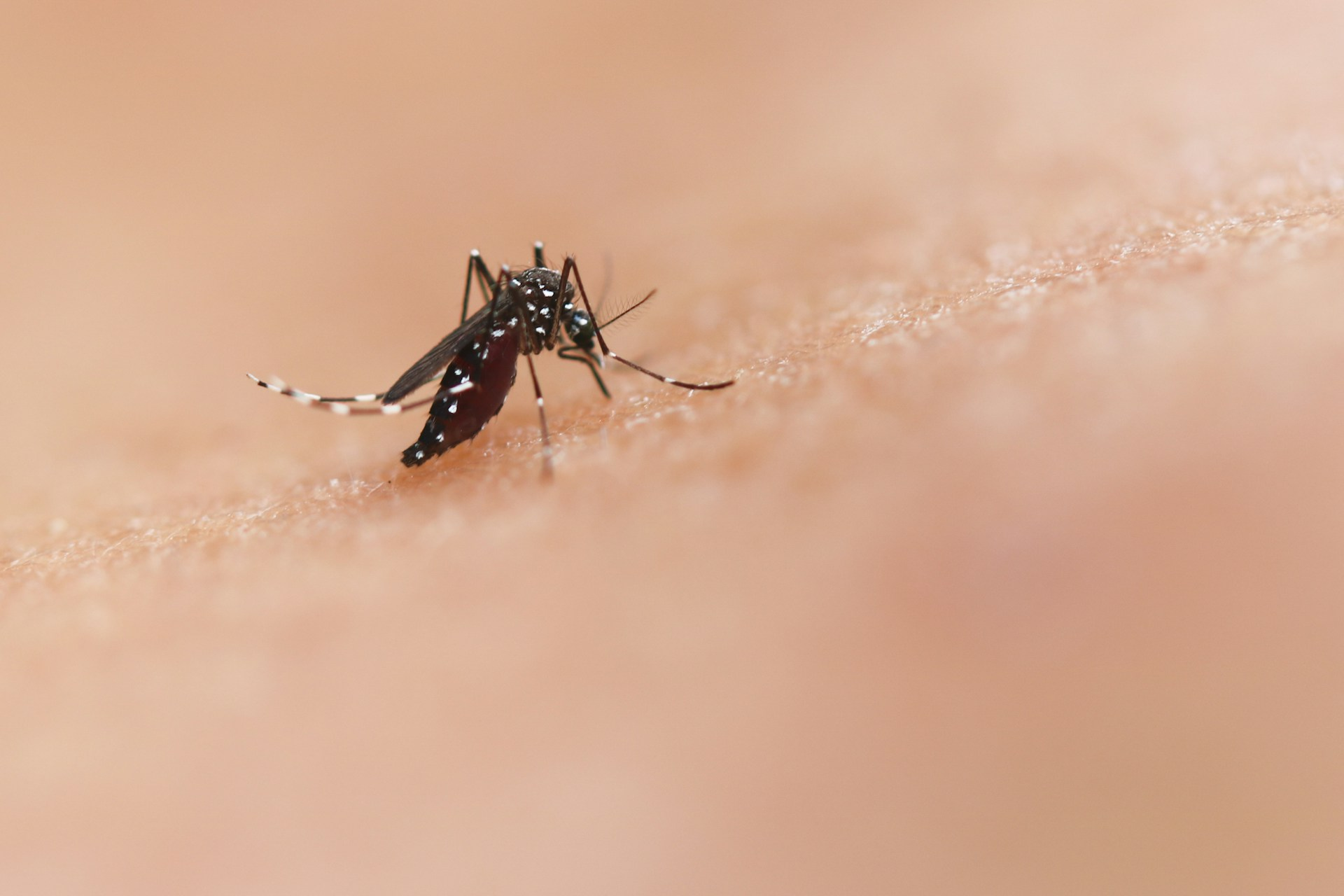
Summer brings longer days, warmer evenings, and more opportunities to spend time outside. Unfortunately, it can also bring a noticeable increase in mosquito activity. A backyard that felt comfortable in late spring may suddenly become difficult to enjoy once temperatures rise and humid weather settles in. This seasonal increase is not random. Heat affects mosquito development, feeding activity, and breeding conditions. Summer rain can also leave behind small pockets of standing water where mosquitoes can reproduce close to patios, gardens, play areas, and entryways. Understanding these conditions helps explain why mosquito problems can escalate quickly and why effective mosquito control often requires looking beyond the insects that are currently flying around. Heat Speeds Up the Mosquito Life Cycle Mosquitoes depend heavily on temperature. As the weather becomes warmer, their development from egg to larva, pupa, and adult can happen more quickly. Under favorable summer conditions, new generations may emerge in a relatively short period, allowing a minor issue to develop into persistent activity around a property. Hot weather can contribute to mosquito problems in several ways: Heat alone does not create mosquitoes, but it can accelerate the conditions that allow populations to grow. When warmth is combined with moisture and accessible breeding areas, mosquito activity may increase noticeably within a short time. Summer Rain Creates More Places for Mosquitoes to Breed Mosquitoes need water for the early stages of their life cycle, but they do not necessarily require a pond, marsh, or large flooded area. Small amounts of stagnant water around an ordinary property may be enough to support developing larvae. After summer rain, water can collect in places that are easily overlooked. Flowerpot saucers, children’s toys, buckets, birdbaths, clogged gutters, pool covers, tarps, wheelbarrows, drainage dips, and forgotten containers may all retain moisture. Several factors make these breeding areas particularly troublesome: This is one reason mosquito problems may return despite efforts focused only on visible adults. Without identifying the places where new mosquitoes are developing, the next wave may already be underway. Shade and Humidity Give Adult Mosquitoes Places to Rest The hottest, brightest part of the yard may not always be where mosquitoes spend most of their time. Adult mosquitoes often seek sheltered areas that protect them from excessive heat, direct sunlight, and drying conditions. Dense shrubs, tall grass, leafy vegetation, shaded fence lines, garden beds, spaces beneath decks, and damp corners can create suitable resting zones. These areas may stay cooler and more humid than the exposed lawn, giving mosquitoes places to remain protected until conditions are better for feeding. This helps explain why some parts of a property feel noticeably worse than others. A patio beside thick landscaping, for example, may experience significantly more biting activity than an open, sunny section of lawn only a short distance away. Effective mosquito control therefore, requires attention to both breeding sites and adult resting areas. Looking only for standing water may miss locations where large numbers of mosquitoes are sheltering during the day. Why Mosquito Activity Often Peaks Around Dawn and Dusk Many people first notice a serious mosquito problem when they try to enjoy an early morning coffee, an evening meal, or time outdoors after sunset. Certain mosquito species become especially active during cooler portions of the day, although feeding habits can vary between species. Several summer conditions can make these periods particularly uncomfortable: When mosquito activity repeatedly interferes with normal use of a yard, the source may extend beyond a few insects passing through. Recurring bites can indicate nearby breeding conditions, suitable resting areas, or ongoing mosquito pressure from surrounding properties. Effective Mosquito Control Looks at the Whole Property Successful mosquito control involves more than reacting to insects as they appear. A thorough approach considers how water, shade, vegetation, weather, drainage, and property use are contributing to the problem. An experienced inspection can identify areas that are easy to overlook, including small water traps, clogged drainage points, dense vegetation, shaded corners, and locations where biting activity is consistently strongest. Treatment can then be directed toward the parts of the property mosquitoes actually use rather than applying the same approach everywhere. It is also important to recognize that mosquito pressure changes throughout the summer. Rainfall can create new breeding sites, vegetation becomes denser, and neighboring properties may contribute to continuing activity. For that reason, lasting improvement often depends on addressing both existing adults and the environmental conditions that allow the next mosquito cycle to develop. Professional assessment becomes especially valuable when mosquitoes continue returning despite obvious water sources being removed. The problem may involve hidden breeding pockets, difficult-to-reach resting zones, or several contributing conditions working together. Bring Comfortable Summer Evenings Back Do not let persistent mosquito activity take over your patio, yard, or outdoor gathering areas. Contact Termicide for professional mosquito control focused on the conditions contributing to activity around your property.