
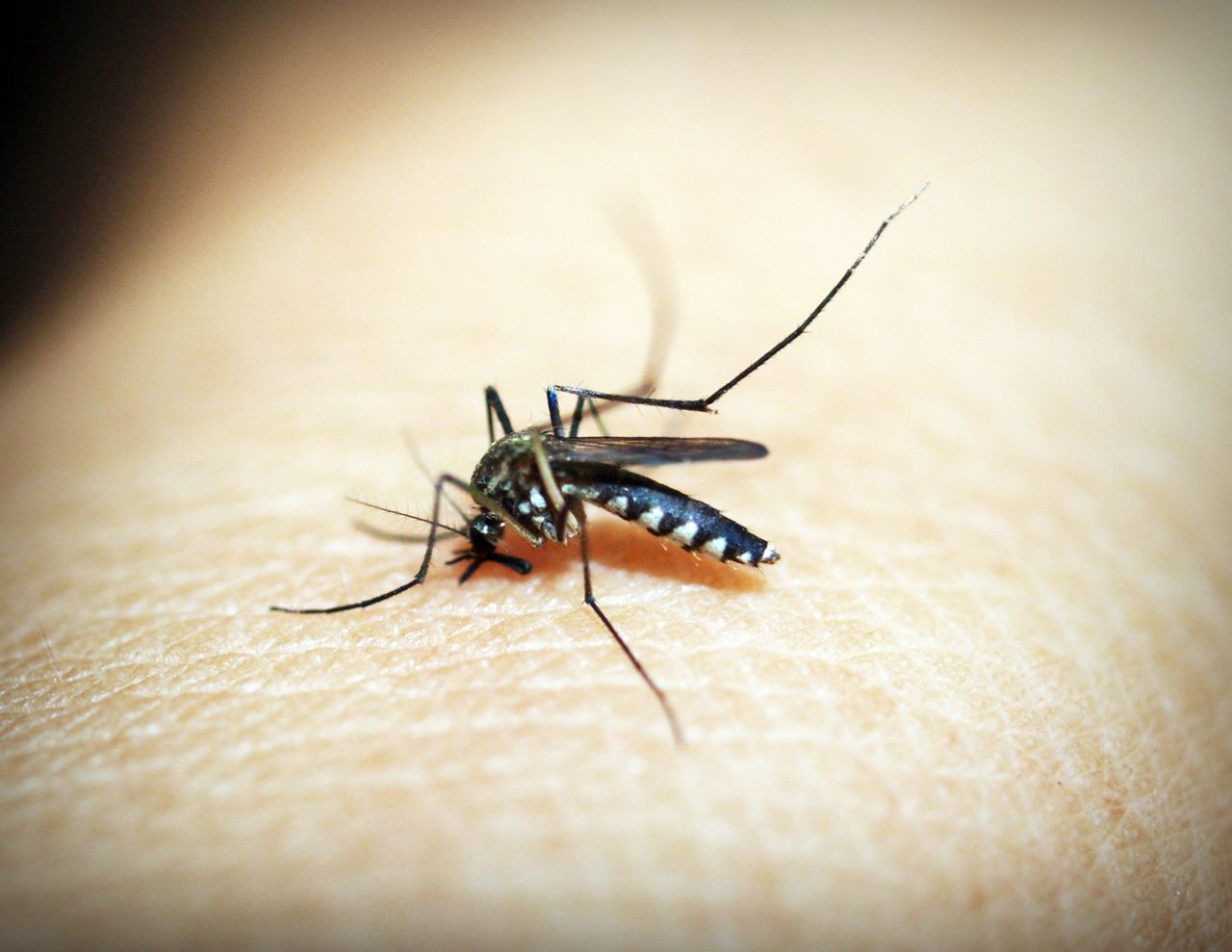
Mosquitoes can become persistent around yards where shade, moisture, and standing water overlap. In Rockland County, warm weather, summer rainfall, irrigated landscaping, gutters, planters, and sheltered vegetation can all create conditions that support mosquito breeding and resting activity. Effective mosquito management starts by understanding that the problem is rarely limited to one puddle or one corner of the yard. Professionals look at breeding water, shaded resting sites, drainage, vegetation, and the way people use outdoor spaces. This broader view helps explain why pest activity may remain high even after obvious water sources have been removed. Standing Water Gives Mosquitoes A Place To Reproduce Mosquitoes need water to complete part of their life cycle, and surprisingly small amounts can be enough. After rain or irrigation, water may remain in places that are easy to overlook. Common problem areas include: Seasonal summer pest pressure can increase when heat and rainfall combine. Mosquitoes respond quickly to these conditions because new breeding pockets can appear after storms. Professional inspection helps identify which water sources are actually contributing to activity and which areas need closer monitoring. Shade Helps Adult Mosquitoes Avoid Heat And Drying Standing water explains where mosquitoes can develop, but shade helps explain where adults spend much of the day. Mosquitoes lose moisture easily, so dense vegetation, shrubs, shaded fence lines, covered patios, and damp corners can provide more favorable resting conditions than open sunny areas. This is why a yard can remain uncomfortable even when there is no obvious standing water nearby. Adult mosquitoes may rest in protected vegetation during the hottest part of the day and become more active when temperatures moderate. Professional mosquito control evaluates both sides of the problem. Breeding areas matter, but so do the shaded resting zones where adult mosquitoes gather. Treating only one part of that cycle can leave enough activity behind for the problem to continue. Damp Landscaping Can Create Multiple Mosquito Hot Spots Landscaping can create small pockets of moisture and shade that remain active longer than the rest of the yard. Areas professionals often check include: These conditions do not automatically create a mosquito infestation, but they can make a property more supportive when breeding water is also present nearby. A targeted inspection is useful because mosquito pressure is rarely distributed evenly. One side of a yard may have little activity while another stays consistently shaded and damp. Identifying those differences helps keep treatment focused where it can be most effective. Ongoing Pest Management Helps Prevent Repeat Pressure Mosquito activity changes with rainfall, heat, vegetation growth, irrigation, and neighboring conditions. That is why one-time treatment does not permanently change every future condition around a property. A broader repeat-pest strategy shows why pest activity is best managed through inspection, targeted treatment, source reduction, and follow-up. For mosquitoes, this means paying attention to both current pressure and the environmental conditions that could rebuild it. Professional service also helps distinguish mosquitoes from other pests that may be active around the same property, including ants, cockroaches, fleas, flies, rodents, spiders, ticks, termites, bed bugs, stink bugs, bats, bees, and other stinging insects handled through residential or commercial service. Long-Term Mosquito Reduction Requires Property-Wide Attention Mosquito control works best when the entire yard is considered rather than one isolated trouble spot. A long-term plan may include: Professional mosquito control adds value because technicians can compare current findings with earlier visits and adjust treatment as the yard changes. A shaded area that is quiet in early summer may become more active after vegetation thickens, while a drainage issue may appear only after heavy rain. The same principle applies to neighboring habitat. Even when one property is well maintained, mosquito pressure can still be influenced by surrounding yards and weather. Ongoing monitoring gives homeowners a more realistic way to manage those changing conditions. Mosquitoes thrive around shaded and damp yard areas because those environments provide both shelter and access to moisture. When breeding water, vegetation, drainage, and resting zones are evaluated together, pest activity becomes easier to understand and manage. A professional, property-wide approach helps reduce repeated pressure without relying on assumptions about where mosquitoes are coming from. Make Shaded Yard Areas Less Inviting To Mosquitoes If mosquitoes are making your yard difficult to enjoy, contact Termicide for professional inspection, targeted treatment, mosquito control, and seasonal follow-up based on your property’s conditions.
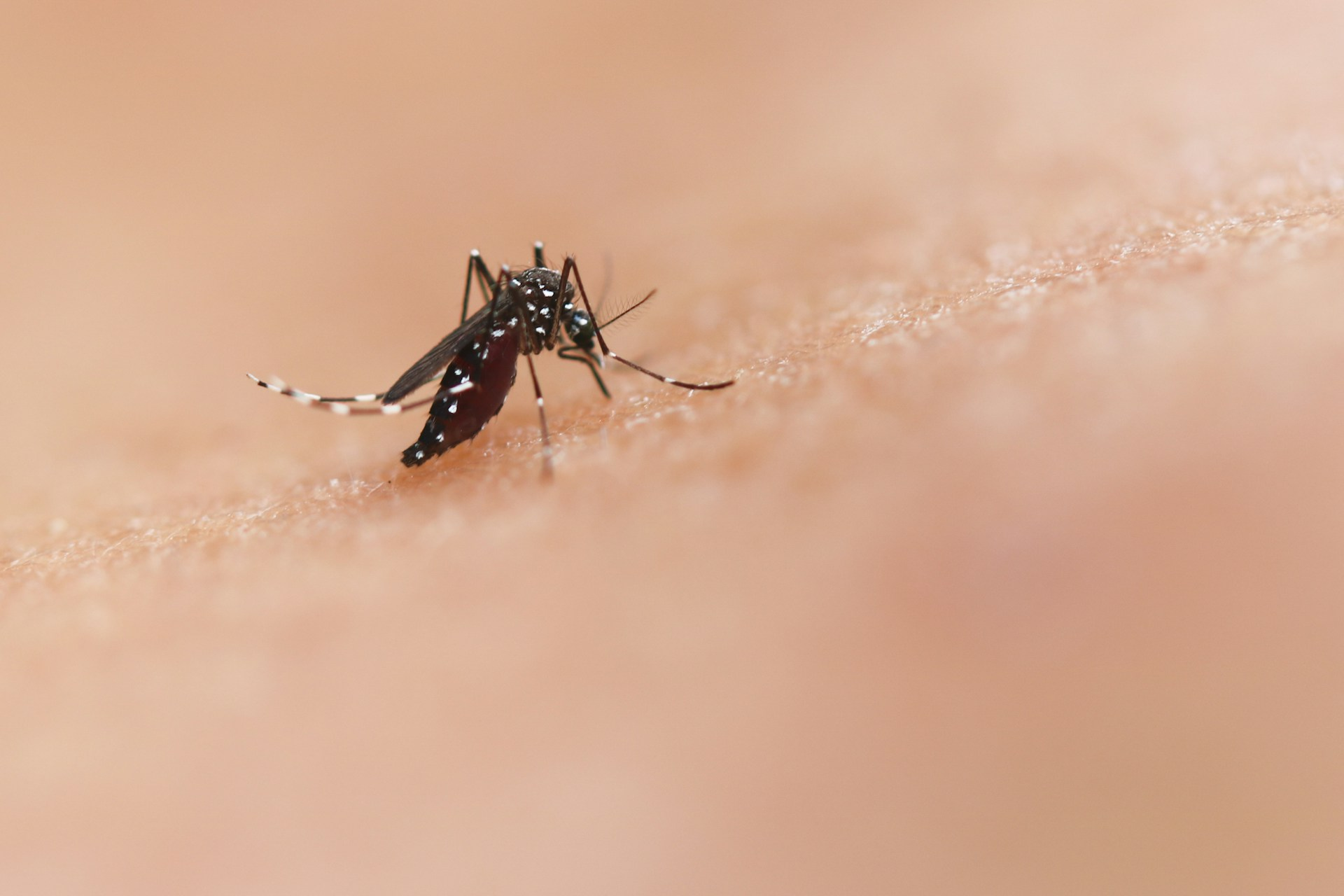
Why Mosquito Problems Get Worse During Hot Summer Weather
Summer brings longer days, warmer evenings, and more opportunities to spend time outside. Unfortunately, it can also bring a noticeable increase in mosquito activity. A backyard that felt comfortable in late spring may suddenly become difficult to enjoy once temperatures rise and humid weather settles in. This seasonal increase is not random. Heat affects mosquito development, feeding activity, and breeding conditions. Summer rain can also leave behind small pockets of standing water where mosquitoes can reproduce close to patios, gardens, play areas, and entryways. Understanding these conditions helps explain why mosquito problems can escalate quickly and why effective mosquito control often requires looking beyond the insects that are currently flying around. Heat Speeds Up the Mosquito Life Cycle Mosquitoes depend heavily on temperature. As the weather becomes warmer, their development from egg to larva, pupa, and adult can happen more quickly. Under favorable summer conditions, new generations may emerge in a relatively short period, allowing a minor issue to develop into persistent activity around a property. Hot weather can contribute to mosquito problems in several ways: Heat alone does not create mosquitoes, but it can accelerate the conditions that allow populations to grow. When warmth is combined with moisture and accessible breeding areas, mosquito activity may increase noticeably within a short time. Summer Rain Creates More Places for Mosquitoes to Breed Mosquitoes need water for the early stages of their life cycle, but they do not necessarily require a pond, marsh, or large flooded area. Small amounts of stagnant water around an ordinary property may be enough to support developing larvae. After summer rain, water can collect in places that are easily overlooked. Flowerpot saucers, children’s toys, buckets, birdbaths, clogged gutters, pool covers, tarps, wheelbarrows, drainage dips, and forgotten containers may all retain moisture. Several factors make these breeding areas particularly troublesome: This is one reason mosquito problems may return despite efforts focused only on visible adults. Without identifying the places where new mosquitoes are developing, the next wave may already be underway. Shade and Humidity Give Adult Mosquitoes Places to Rest The hottest, brightest part of the yard may not always be where mosquitoes spend most of their time. Adult mosquitoes often seek sheltered areas that protect them from excessive heat, direct sunlight, and drying conditions. Dense shrubs, tall grass, leafy vegetation, shaded fence lines, garden beds, spaces beneath decks, and damp corners can create suitable resting zones. These areas may stay cooler and more humid than the exposed lawn, giving mosquitoes places to remain protected until conditions are better for feeding. This helps explain why some parts of a property feel noticeably worse than others. A patio beside thick landscaping, for example, may experience significantly more biting activity than an open, sunny section of lawn only a short distance away. Effective mosquito control therefore, requires attention to both breeding sites and adult resting areas. Looking only for standing water may miss locations where large numbers of mosquitoes are sheltering during the day. Why Mosquito Activity Often Peaks Around Dawn and Dusk Many people first notice a serious mosquito problem when they try to enjoy an early morning coffee, an evening meal, or time outdoors after sunset. Certain mosquito species become especially active during cooler portions of the day, although feeding habits can vary between species. Several summer conditions can make these periods particularly uncomfortable: When mosquito activity repeatedly interferes with normal use of a yard, the source may extend beyond a few insects passing through. Recurring bites can indicate nearby breeding conditions, suitable resting areas, or ongoing mosquito pressure from surrounding properties. Effective Mosquito Control Looks at the Whole Property Successful mosquito control involves more than reacting to insects as they appear. A thorough approach considers how water, shade, vegetation, weather, drainage, and property use are contributing to the problem. An experienced inspection can identify areas that are easy to overlook, including small water traps, clogged drainage points, dense vegetation, shaded corners, and locations where biting activity is consistently strongest. Treatment can then be directed toward the parts of the property mosquitoes actually use rather than applying the same approach everywhere. It is also important to recognize that mosquito pressure changes throughout the summer. Rainfall can create new breeding sites, vegetation becomes denser, and neighboring properties may contribute to continuing activity. For that reason, lasting improvement often depends on addressing both existing adults and the environmental conditions that allow the next mosquito cycle to develop. Professional assessment becomes especially valuable when mosquitoes continue returning despite obvious water sources being removed. The problem may involve hidden breeding pockets, difficult-to-reach resting zones, or several contributing conditions working together. Bring Comfortable Summer Evenings Back Do not let persistent mosquito activity take over your patio, yard, or outdoor gathering areas. Contact Termicide for professional mosquito control focused on the conditions contributing to activity around your property.