
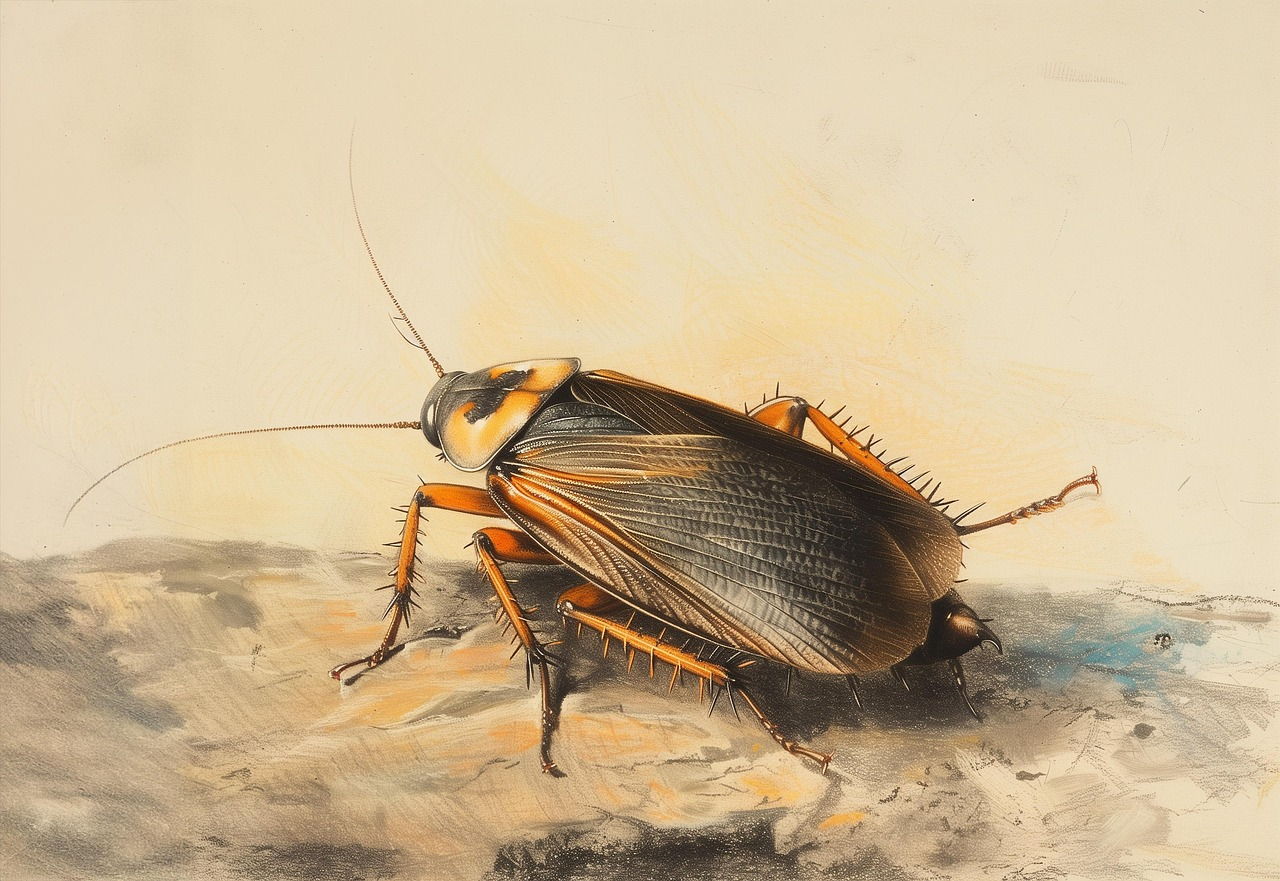
Cockroaches are skilled at staying out of sight. A homeowner may see only one or two insects while a larger population remains hidden behind appliances, inside cabinets, around plumbing, or within wall voids. Their narrow bodies let them squeeze into small spaces, and their nighttime activity makes early infestations easy to miss. Effective cockroach control starts by looking beyond visible sightings. Professionals evaluate where roaches are sheltering, feeding, breeding, and traveling, then connect those areas with moisture, food, clutter, and entry points. Catching that pattern early matters because hidden populations can keep reproducing even when surface activity seems minor. Hidden Harborages: Let Roaches Stay Out Of Sight Cockroaches prefer dark, protected areas where they can remain close to food and water without being disturbed. Kitchens, bathrooms, basements, laundry rooms, and utility spaces often provide the combination of warmth, moisture, and shelter they need. Common hiding places include: These harborages allow activity to continue even when the room looks clean. The conditions described in recurring roach problems show why visible improvement does not always mean the infestation has been eliminated. A professional inspection helps determine whether sightings are isolated or connected to a concealed population. That distinction guides where treatment should be placed and whether follow-up will be necessary. In older homes, hidden gaps around pipe chases, flooring transitions, and cabinet voids can create connected shelter that lets roaches move without crossing exposed surfaces. That concealed movement is one reason early evidence deserves careful professional evaluation. Food, Moisture, And Clutter Help Hidden Populations Grow Cockroaches need only small amounts of food and water to survive. Crumbs beneath appliances, grease around cooking areas, pet food, leaking pipes, condensation, and damp materials can support a population that spends most of its time out of view. Conditions that can make hiding areas more favorable include: Sanitation supports treatment, but cleaning alone may not reach roaches hidden in structural gaps or protected harborages. Egg cases and immature roaches can remain in those areas even after adult sightings decline. This is why one-time surface treatment can be misleading. A temporary reduction may simply mean fewer roaches are emerging into open areas while the population continues developing elsewhere. Professional Treatment Targets The Source, Not Just Sightings A stronger response begins with identification and a property-wide view. Different cockroach species can behave differently, so treatment methods and placement should match the pest involved. Professionals use evidence to decide whether baits, crack-and-crevice applications, monitoring devices, exclusion, moisture correction, or a combination is appropriate. A complete plan may include: The broader principles behind repeat pest prevention explain why treatment works best when identification, source reduction, exclusion, and follow-up are connected. Monitoring is especially important because cockroach egg cases can protect developing young from some treatment methods. An area may appear quiet for a short period before newly hatched roaches begin moving again. Follow-up helps determine whether the population is truly declining or whether another hidden harbor needs attention. Cockroaches can also move between rooms through wall voids, plumbing lines, utility penetrations, and shared structural spaces. In multi-unit properties, activity may extend beyond the room where the first sighting occurred. That makes accurate inspection and coordinated treatment more important than repeatedly treating one visible area. Long-term cockroach control depends on removing the conditions that allow roaches to remain concealed. Moisture should be corrected where possible, food should stay sealed, clutter should be reduced, and structural gaps should be evaluated. These steps make professional treatment more durable by reducing the resources hidden populations rely on. The biggest risk of ignoring a small sighting is that the infestation can grow while remaining largely invisible. By the time cockroaches begin appearing more often, breeding may already be established behind appliances, inside walls, or in other protected spaces. Early professional attention gives technicians better evidence to work with and can make the infestation easier to define. Instead of reacting only to the roaches that appear in open areas, a professional plan focuses on the hidden system supporting them. Stop Hidden Activity Before It Multiplies If cockroaches are appearing indoors or returning after earlier treatment, contact Termicide for professional inspection, targeted cockroach control, exclusion guidance, and follow-up focused on the source of the infestation.
What Causes Cockroach Problems To Keep Coming Back?
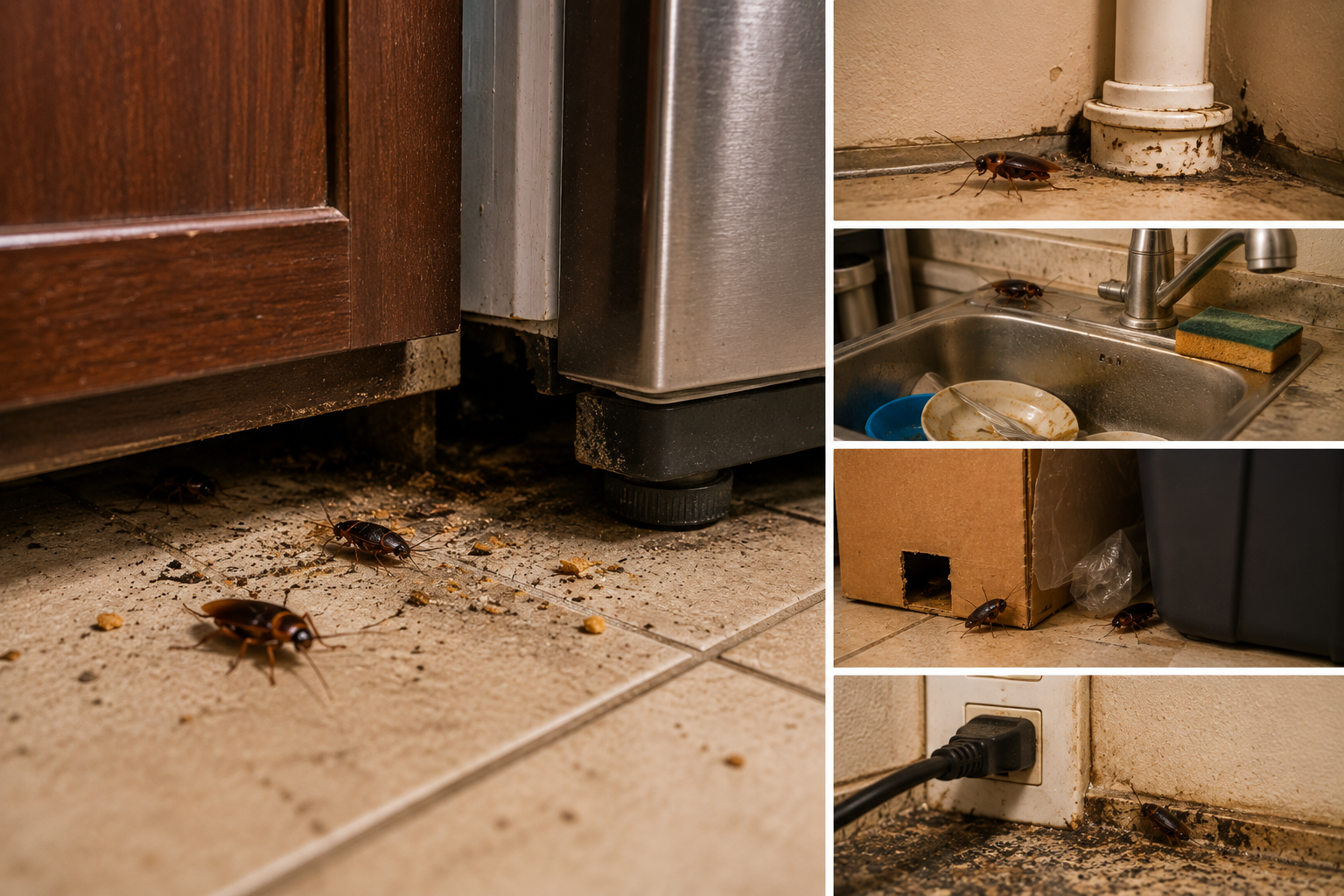
A recurring cockroach problem usually means something important has not been fully addressed. Cockroaches are highly adaptable, and they can remain hidden in cracks, wall voids, cabinets, basements, utility areas, and other low-disturbance spaces. Even when visible activity drops, surviving insects, egg cases, food sources, moisture, or open entry points can allow the population to build again. Effective control requires more than reducing visible cockroaches. Professional inspection looks at supporting conditions, concentrated activity, and how cockroaches are moving through the property. That broader approach helps turn a short-term reduction into more reliable long-term control. Hidden Harborage Areas Can Keep The Infestation Active Cockroaches spend much of their time out of sight. They may shelter behind appliances, inside cabinets, around plumbing, beneath flooring, or in cracks that are difficult to inspect without knowing what signs to look for. Common harborage areas include: When treatment reaches only visible insects, hidden populations may remain active. This is why serious infestations often require a more complete evaluation. Guidance on professional pest control explains how nests, breeding areas, and concealed travel routes can allow pest activity to continue even after surface-level treatment appears successful. Food And Moisture Can Restore Cockroach Activity Quickly Cockroaches need relatively little food or water to survive. Crumbs under appliances, grease around cooking areas, pet food, leaking pipes, condensation, and damp basements can provide enough resources to keep an infestation going. Moisture is particularly important. Kitchens, bathrooms, utility rooms, and basements may stay attractive if leaks or drainage problems create dependable water. Outdoor conditions can contribute as well, especially when cockroaches move between damp areas around the property and sheltered indoor spaces. Sanitation and moisture correction support treatment, but they are only part of the solution. Hidden cockroaches may remain active even after food and water are reduced. Professional pest control combines environmental corrections with targeted treatment so the infestation and supporting conditions are addressed. Open Entry Points Can Bring New Cockroaches Inside A property can experience repeat activity even after an earlier infestation has been controlled if cockroaches still have ways to enter. Small gaps around doors, foundations, pipes, vents, and utility lines can provide recurring access. Important areas to inspect include: Summer can increase this pressure as heat, humidity, rainfall, and changing outdoor conditions affect pest movement. Local guidance on summer pest activity notes that cockroaches may move between damp outdoor areas and buildings during warmer weather. Exclusion is more effective when technicians identify confirmed access routes instead of sealing openings at random. That helps keep treatment focused on the places actually contributing to recurring activity. Incomplete Treatment Can Leave Eggs And Hidden Populations Behind Cockroach control can fail when treatment stops as soon as sightings decrease. A lower number of visible insects does not always mean the infestation is gone. Egg cases, immature cockroaches, or adults hidden in protected areas may remain after the first service. Different cockroach species also behave differently, so treatment methods and placement need to match the pest involved. Products applied in the wrong location may never reach the areas where cockroaches feed, rest, or reproduce. In some situations, using conflicting products can even interfere with baiting strategies or push activity into new hiding places. Professional follow-up lets technicians compare new evidence with the original inspection. Fresh droppings, sightings, egg cases, or activity elsewhere may show that treatment needs adjustment rather than simple repetition. Long-Term Control Depends On Follow-Up And Prevention Recurring cockroach problems are usually connected to several factors working together. Food, water, shelter, breeding, access, and hidden activity all need to be considered if the goal is lasting control. A complete long-term plan may include: Professional pest control helps keep each step connected. Instead of treating every sighting as a separate event, technicians look for patterns that explain why the cockroach problem keeps returning. The most effective approach is not based on a one-time reduction in visible insects. It is based on finding the source, limiting the resources cockroaches need, treating concealed activity, and monitoring the property long enough to confirm that the infestation is no longer rebuilding. Stop The Cycle Before It Starts Again If cockroaches keep returning despite earlier treatment, contact Termicide for professional inspection, targeted treatment, exclusion guidance, and follow-up focused on the source of the problem.