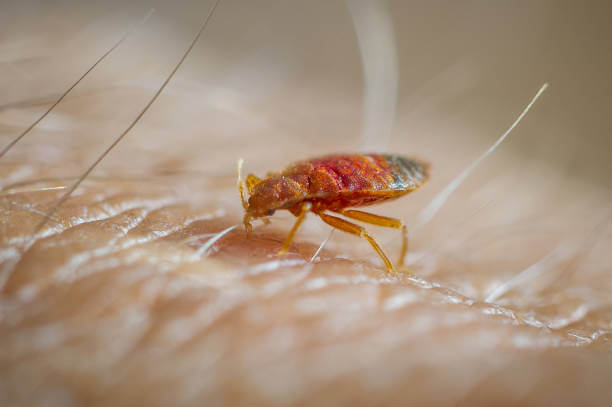
The spare bedroom finally looks peaceful after the holidays. The sheets are folded, the luggage stand is back in the closet, and the house has returned to its usual rhythm. Then you notice a dark speck beside a mattress seam. Could a guest have brought bed bugs into the room? Possibly, but one mark cannot establish either an infestation or where it originated. Bed bugs travel in belongings without anyone noticing. They may also have been present before the visit, hidden close to a sleeping area. Our technicians look for recognizable physical evidence and inspect the surrounding furniture before recommending treatment. The purpose is to replace an uncomfortable suspicion with a clearer picture of what is happening. Start With the Bed and the Evidence Closest to It Bed bugs feed on blood and hide in protected spaces between meals. Their flat bodies allow them to occupy narrow joints, folds, and seams that ordinary room cleaning rarely reaches. Checking a guest bedroom should begin with accessible areas around the bed rather than immediately emptying every drawer. Look for several clues together: Bites alone are unreliable evidence. Reactions differ from person to person, and other causes can produce similar skin irritation. Likewise, a reddish stain on a sheet is not automatically proof of bed bugs. Photographing findings and noting their locations makes a later assessment more useful. Our article on hidden pest activity explains why the most important evidence may remain outside plain sight. For bed bugs, finding the insect and its harborages matters much more than counting marks on bedding. Look at What Changed While the Guest Room Was Occupied Holiday travel creates opportunities for pests to move with suitcases, backpacks, clothing, and secondhand belongings. That does not mean visitors should be blamed for a sighting. Instead, recent changes help an inspector decide where to look first and whether evidence appears in more than one location. Useful places to check include: Avoid carrying suspected infested bedding or furniture through the house. Moving items repeatedly can make containment and inspection more difficult. Appropriate laundering and dryer heat may help with suitable fabrics, but delicate materials require different handling. Do not apply unapproved pesticide directly to bedding or luggage. Other insects can also appear indoors after seasonal changes. Our guide to fall stink bug activity explains how those insects use exterior openings to seek shelter. That is a different process from bed bugs hitchhiking near sleeping areas, which is why identifying the specimen before treatment is essential. Confirm the Source Before Planning Treatment A single suspicious speck does not justify spraying every surface. Bed bugs can hide inside furniture joints and along protected edges, while earlier stains may remain after an old problem. Our inspection focuses on current evidence, likely resting areas, and whether additional rooms need attention. An evidence-based assessment may involve: Treatment choices depend on confirmed activity and the layout of the affected space. We explain what was inspected and any limitations, including inaccessible cavities. An inspection cannot guarantee every concealed insect will be visible during one visit. Clear records help determine whether later findings are new or simply evidence that remained from before. We also explain why treatment may require returning to particular hiding places instead of spraying every visible surface in the guest room. After visitors leave, a careful room check is sensible, but alarm is not. Most guest bedrooms do not need immediate treatment simply because someone traveled. Watching for credible evidence and arranging an inspection when signs persist offers a more focused, less disruptive response. Welcome Future Guests With Greater Confidence If you have found possible bed bug evidence in a guest bedroom, contact Termicide for a professional assessment. We can review the signs, explain suitable bed bug treatment options, and help you decide what to monitor next.